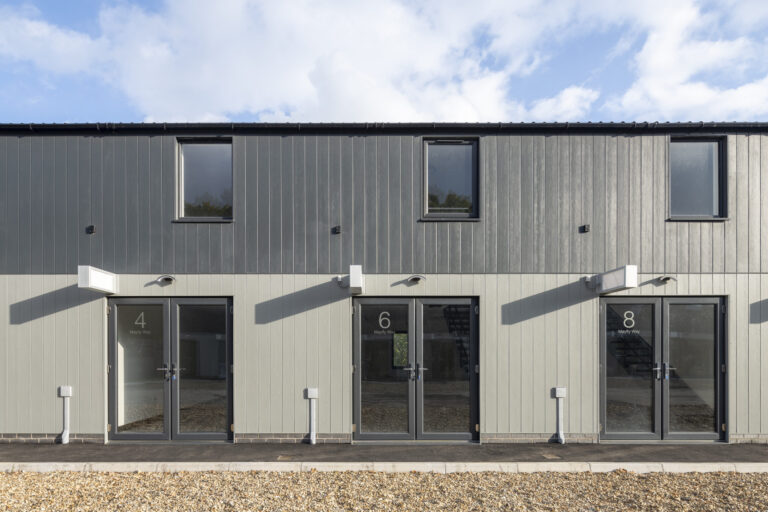
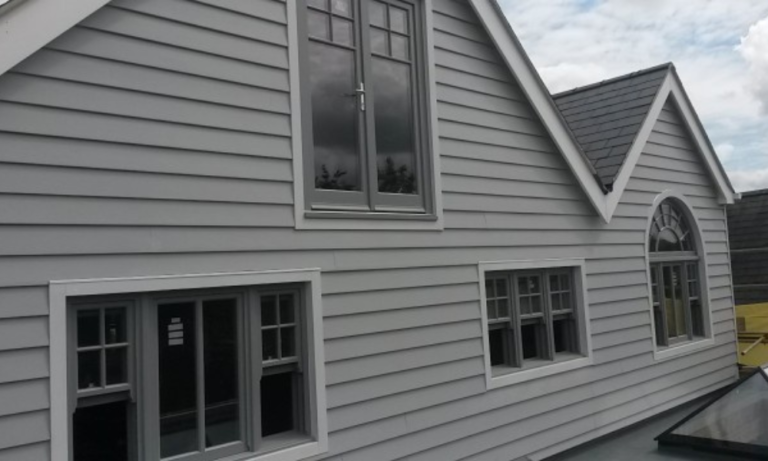
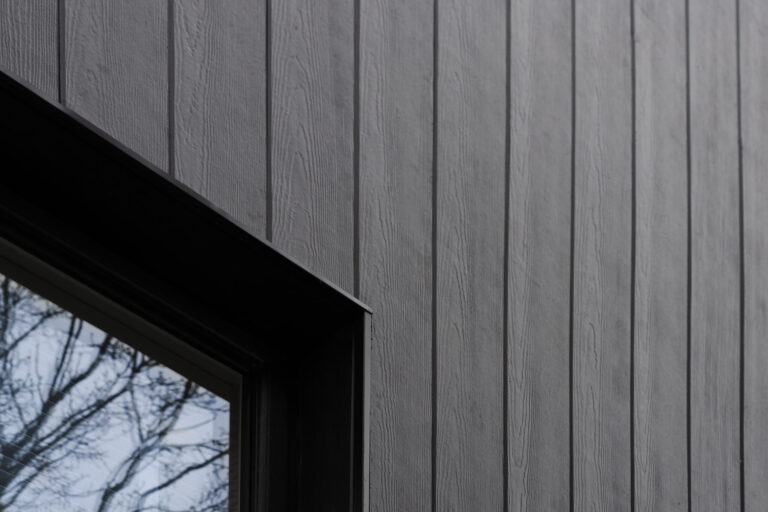
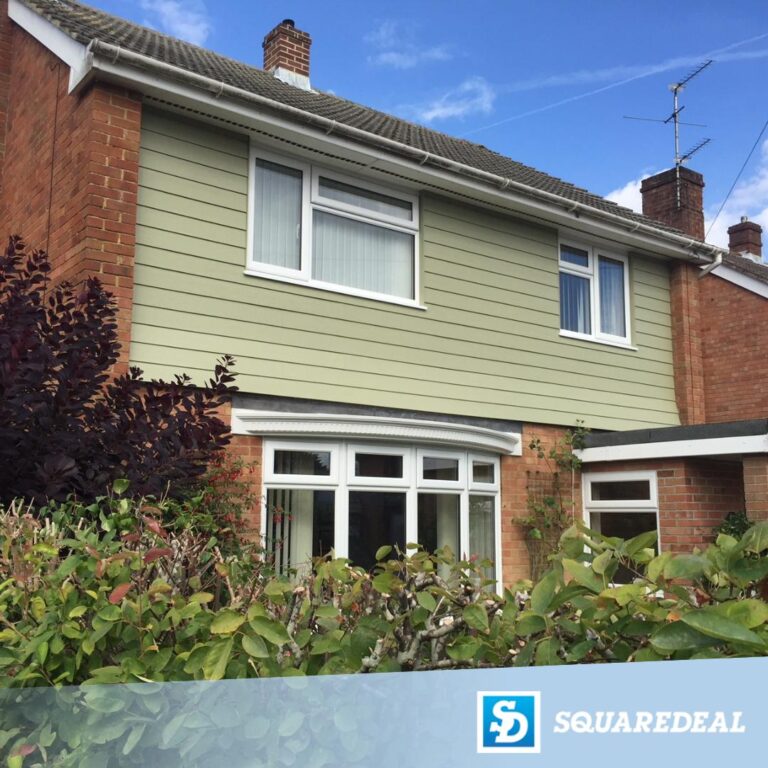
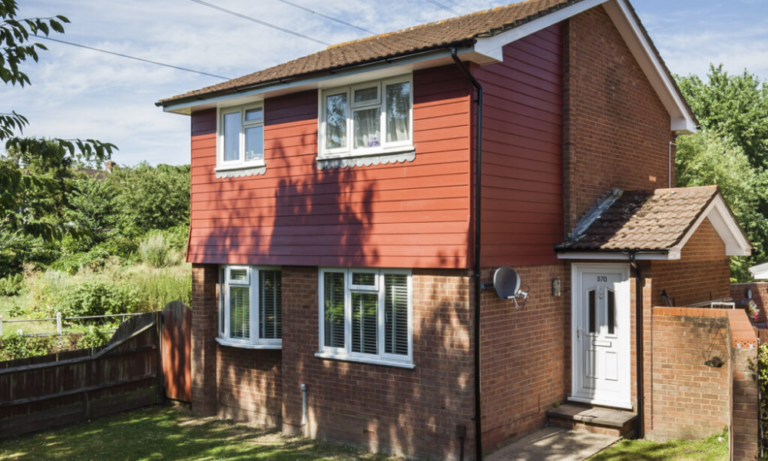
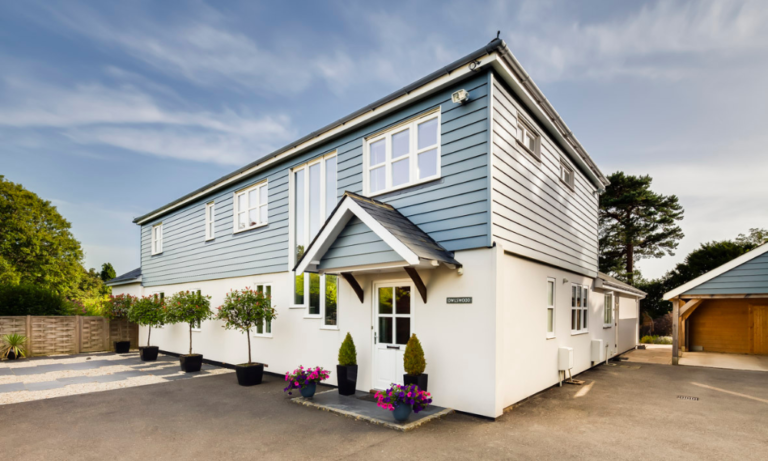
There are many benefits to installing exterior cladding on your home, beyond enhancing the aesthetic. With many styles to choose from, cladding can mimic wooden panels, brick, stone, and other common forms of building material, giving you the style of home exterior that you desire but with more energy efficiency.
External cladding can provide your home with thermal protection, keeping your energy costs down. It offers protection against winter temperatures, extreme weather, and common structural household issues such as moisture. Installing fibre cement cladding can help protect your home from these issues whilst improving its energy efficiency in an environmentally sustainable way.
Join us as we explore how you can benefit from fibre cement cladding, which improves the energy efficiency of your home and helps reduce energy bills.
Additional insulation improves energy efficiency
Installing cladding to the exterior of your home provides it with a protective layer of insulation. This helps to regulate indoor temperatures, therefore reducing heating costs. When combined with insulation material, cladding can prevent heat from escaping in the winter and reduce high temperatures in the summer.
Cladding can also prevent thermal bridging from allowing heat to escape and enter the house from outside. By covering the exterior of window frames and studs with cladding, you create a barrier that limits thermal bridging and reduces heat transfer. This keeps your home’s temperature regulated and stable, leading to lower energy consumption.
Draughts and air leaks can also significantly impact your home’s energy efficiency, making it harder to maintain a regular temperature because of heat escaping or entering the home. Installing a vapour barrier/breather membrane behind the cladding system to your home’s exterior can help to keep your home airtight, by sealing gaps and providing a protective layer whilst maintaining the correct airflow behind the cladding.
Overall, installing an external cladding system will help to maintain a regular, comfortable temperature within your home. Saving your energy consumption as heating and cooling systems won’t have to work so hard to fight against draughts and thermal bridging.
Weatherproof, water-resistant cladding protects your home
Fibre cement cladding is a sustainable material that can add exterior protection to your home, protecting against both common and extreme weather. Fibre cement cladding contains water-resistant materials that help to keep your home dry. Thus preventing structural issues caused by moisture, for example.
Having excess moisture trapped in the walls of your home can cause structural complications over time. Such as damp, which can lead to rot, and damage to insulation. Such problems lead to higher energy consumption, because heating systems need to work harder to maintain warmth within the home.
Therefore, having a protective layer of water-resistant cladding around your home will keep the exterior dry during rainfall. Ensuring the protection of both structural and insulation materials, thus improving energy consumption.
Lower maintenance costs
Long-lasting cladding materials such as fibre cement cladding are low maintenance and require minimal attention. Their weatherproof properties mean they maintain colour/style and do not peel or fade. So they do not need to be repainted regularly in the way some traditional cladding materials do.
They do not peel or crack easily, meaning the cladding will stay intact for years. A well-installed cladding system will provide the exterior of your home with thermal protection against energy-consuming inefficiencies for a long period with no need for frequent repairs.
Conclusion
Whether you are renovating or building your home, a well-installed cladding system is an ideal way to reduce energy consumption and provide savings on energy bills, especially in the winter months.
By insulating your home, preventing heat loss, and protecting against weather and moisture, a cladding system will help to prevent structural inefficiencies and to regulate a comfortable temperature throughout your home.