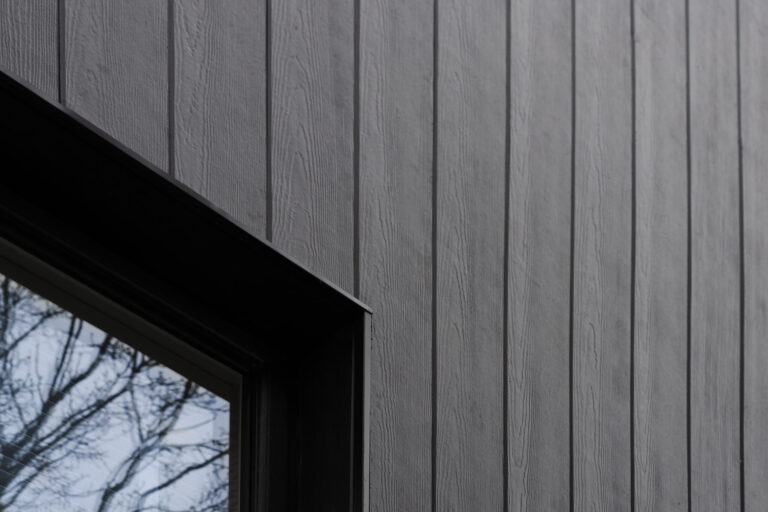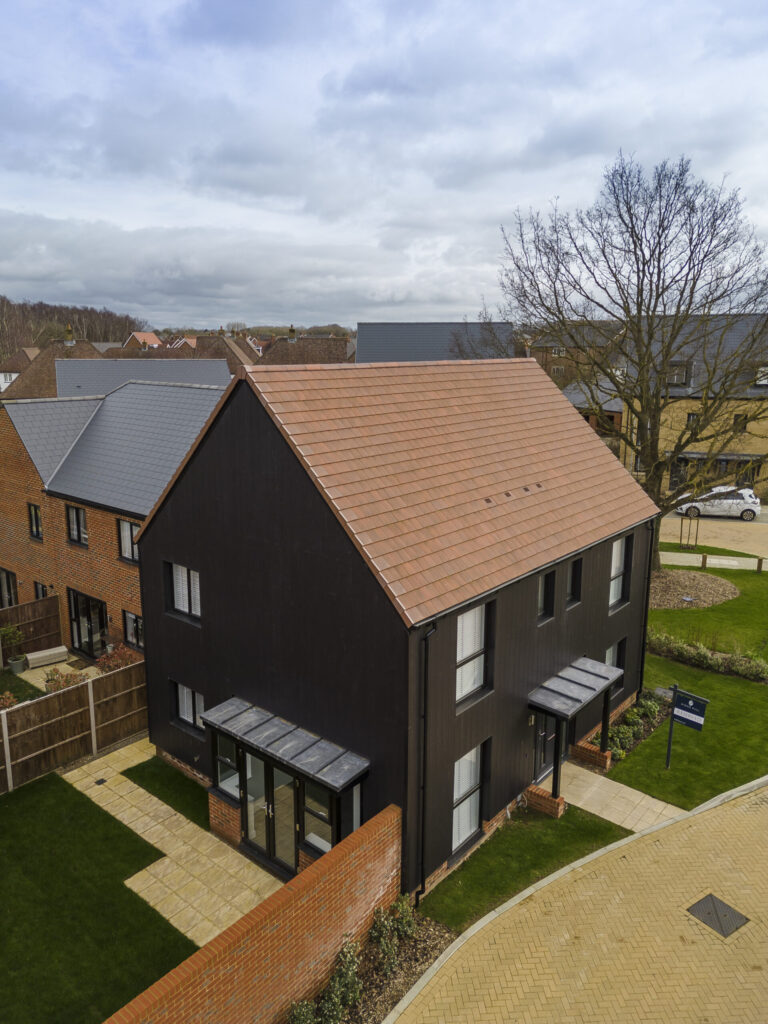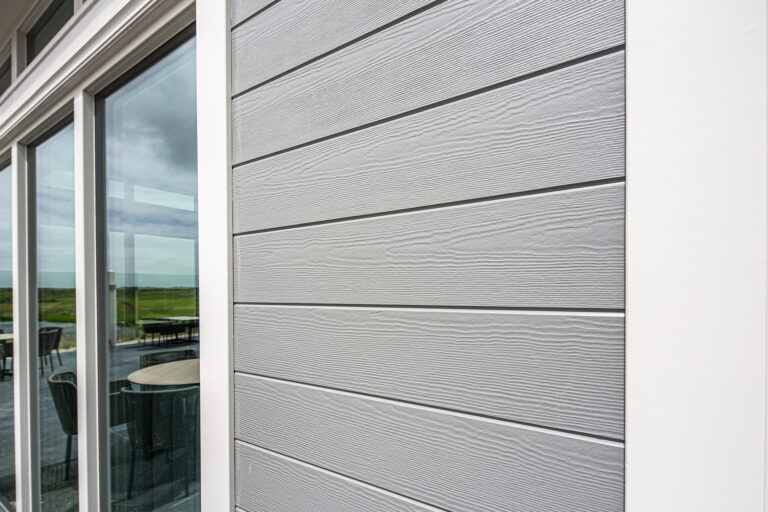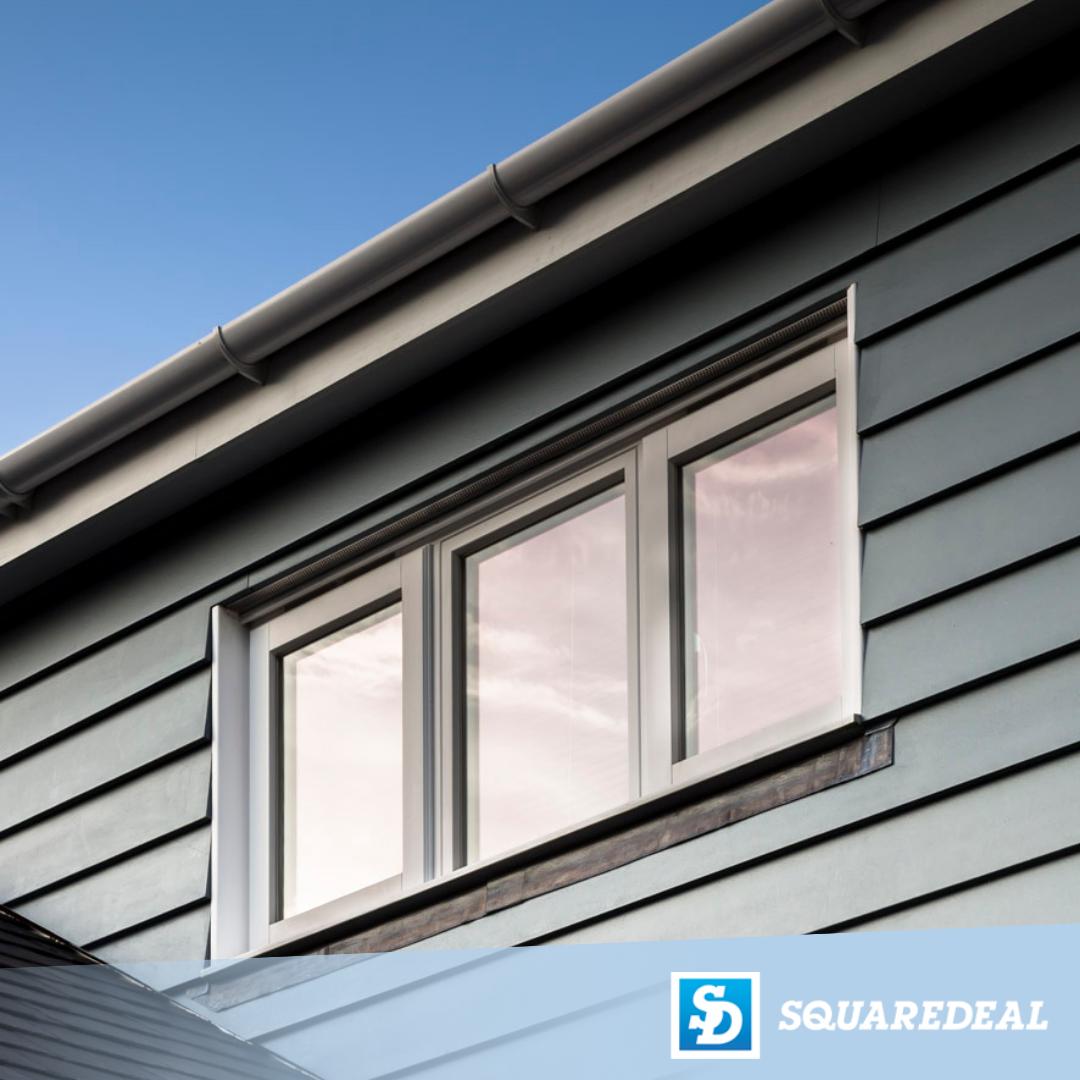
When designing the style of exterior cladding you would like to enhance the appearance and structural security of your home, it is important to consider the colour and style of uPVC guttering that is used alongside it.
The colour and style of uPVC guttering coordinated with the project can affect the cladding both functionally and aesthetically; you must choose guttering that’s the right colour and shape to compliment the style of cladding and ensure long-lasting protection against water damage.
Choosing your uPVC Guttering
Deciding which colour and style of uPVC guttering goes best with the exterior design of your house can be tricky. So we’re giving our expert advice in the form of this guide, to help in choosing the right type of guttering for your house.
Gutters come in a variety of styles. When deciding between the gutter types available, it’s important to consider the type of building it’s going to be installed on. The colour and style of uPVC guttering you choose will depend on this, as well as the cladding material type it is to be installed alongside.
It’s also important to take local weather conditions into consideration in your choice of guttering.
Modern Homes
Modern homeowners often opt for a sleek guttering design to match their metal or fibre cement cladding, with colours including white, black, brown, and grey.
Squared uPVC gutter styles such as Squareline and Ogee gutter systems, with clean lines, are popular for modern homes. These guttering types offer a streamlined look that compliments the modern aesthetic of the cladding.
Both Squareline and Ogee gutters offer additional benefits. They both have higher capacity and greater flow rates than traditional gutters, meaning they handle heavy rainfall well. Many homeowners find the fluted edges and ridges of Ogee guttering add a decorative touch to their house’s exterior.
Traditional Homes
Traditional homeowners with more traditional cladding materials such as brick, wood, or decorative fibre cement, will often opt for traditional guttering styles to match. Rounded uPVC guttering types such as Deepflow and Roundline (also known as half round guttering) add traditional character to the exterior that can enhance the classic design of the home.
They also offer other benefits. Roundline guttering is easy to maintain, as the smooth curves of the guttering reduce the risk of debris buildup. Meaning they need cleaning less often. Deepflow guttering can carry up to twice the water volume of a traditional roundline system, which we’ll go into more detail about below.
Protection Against Water Damage
It is crucial when choosing the style of uPVC guttering you would like, to consider the functional design of the gutter and how well it will protect the cladding from water damage. Gutter profile, gutter materials, and gutter system all need to be taken into consideration.
Well-designed uPVC guttering ensures that it directs rainwater away from your home’s exterior. This will prevent water from running down the face of the cladding. Which in turn prevents moisture from being absorbed into the home exterior in areas where the cladding can be vulnerable, such as near windows. Directing the rainwater away from the cladding also protects against water stains, mould and rotting.
If you live in an area with high amounts of rainfall, we might recommend deep style gutters with a deeper profile such as ‘Deepflow’ to prevent splashback. Splashback is where rainwater can splash onto the cladding from the gutter causing water damage, particularly with cladding materials that are more susceptible to water damage such as wood.
You often find splashback where uPVC guttering wasn’t installed correctly. So if you have it installed professionally you can escape these problems and prevent water damage.
Deep flow guttering can carry up to twice the volume of a round line system, which also helps prevent overflow. So opting for a deep flow gutter type can ensure that you avoid the issue of splashback, while offering better protection for your cladding in case of extreme rainfall.
Maintenance
The size of the uPVC guttering you choose may have a knock-on effect on the amount of maintenance your cladding requires. Wider guttering may offer better coverage for rain and debris, meaning less debris and dirt will wash onto the cladding. Therefore reducing the amount of times it needs to be cleaned.
Also, if your guttering was improperly installed or styled poorly, it may affect the lifespan of your cladding. uPVC guttering is designed to manage water flow effectively and direct it away from cladding. Incorrectly installed guttering can lead to frequent water contact with your cladding and reduce the lifespan of the cladding material, as well as causing problems with damp in the home.
Quality
The quality of your uPVC guttering can play a large role in its performance, as well as the performance of your cladding. uPVC gutterings with poor quality may discolour or fade over time degrading the appearance of both the guttering and cladding. This can especially happen when placed or installed too close to the cladding, to the point of overlapping, as this can cause the product to degrade.
It is also important to consider the quality of your uPVC cladding regarding the temperature. Guttering should be flexible in order to handle fluctuating temperatures. If your uPVC is poor quality, it may crack when expanding and contracting. This will cause water leaks that can further damage the cladding.
Conclusion
Choosing the right style and colour of uPVC guttering for your home is easy when you consider the colour scheme and size you would like, depending on the typical weather conditions in your area. Finally, it is important when choosing the right gutter that it is the correct size and quality to protect your cladding against water damage. Thus ensuring that it remains low maintenance while keeping its aesthetic and structural appeal for years to come. We hope you’ve found our guide to choosing your guttering helpful. Reach out to our trade enquiries or find your nearest Squaredeal branch if we can help you further.