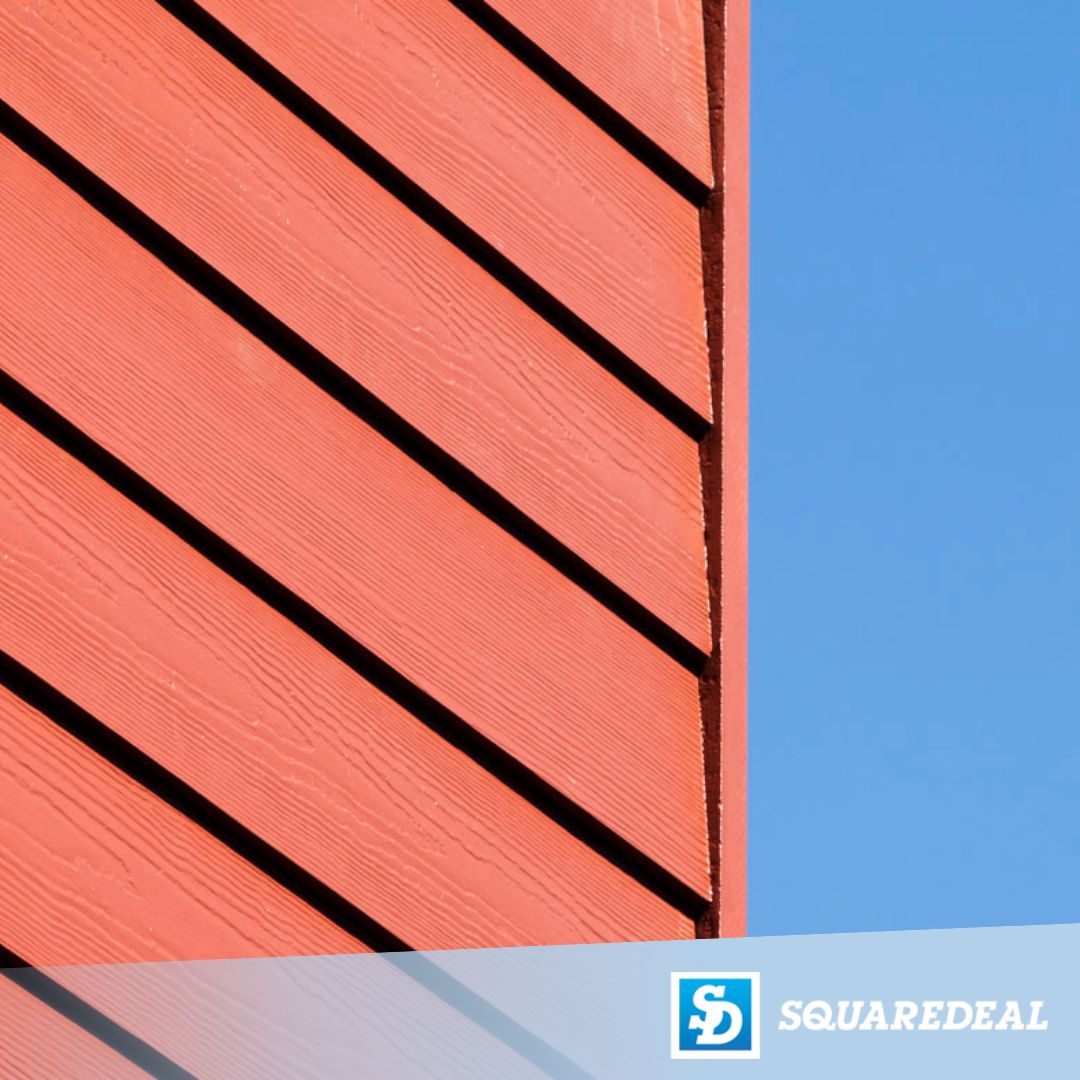
The answer is yes – external cladding can be painted, depending on the style you choose. Exterior cladding is important for both protecting your home and enhancing the aesthetic appeal, so it is common to paint your external cladding to suit the look of your house.
However, before painting your cladding or hiring a professional, consider the specific requirements for painting each material so that you can ensure the painting remains intact for a long time.
Read on as we take you through painting a wide range of cladding step-by-step. From choosing the best paint suitable for use on different types of cladding, to applying the final coat.
Fibre Cement Cladding – James Hardie
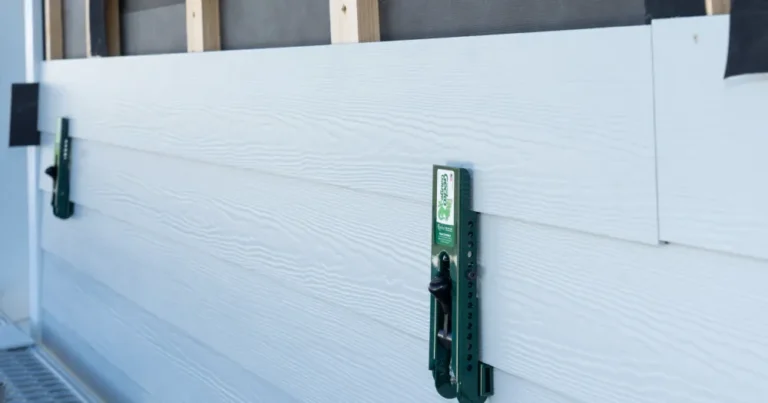
Fibre cement cladding is one of the most popular forms of cladding and equally a popular material to paint. It is a durable material made up of cement, sand and cellulose fibre which makes the material tough, but still paintable.
James Hardie’s fibre cement cladding is extremely durable, with a BBA certified life expectancy of 60+ years, and stands strong against exposure to extreme weather conditions. This makes it the perfect material for vamping up your home’s exterior as it requires minimal maintenance.
It’s also a very safe choice of cladding material, with a fire classification of A2-s1, d0. Which means it’s a non-combustible material with no contribution to fire.
A coat of high-quality paint on this material will last 10-15 years with no need for a top-up depending on its exposure to the elements.
How to paint fibre cement cladding
- Clean the cladding surface thoroughly, removing any mould or mildew and make sure it is entirely smooth
- Remove any flaking paint and sand down any bumps
- For raw fibre cement, use an acrylic-based primer to ensure good adhesion of the paint. Pre-primed boards can usually skip this step.
- Use a high-quality, 100% acrylic exterior paint. Acrylic paints are flexible, durable, and resistant to weather and UV damage.
- Apply at least two coats for optimal coverage and longevity, allowing each coat to dry completely between applications.
Wooden Cladding
Wooden or timber cladding is another popular cladding material to protect your home’s exterior because of its aesthetic appeal, durability and protection against water damage. Wooden cladding such as larch or cedar are common choices for cladding material as they are easiest to paint, providing your home with an extra layer of protection and enhancing its aesthetic look.
Wooden material naturally requires more maintenance than other cladding material because of its susceptibility to moisture which leads to rot and weathering. However, painting your wooden cladding provides an extra layer of protection helping to prevent rot, UV damage and infestation. It also allows for greater flexibility for the design of your home as it offers you unlimited colours to choose from.
Applying a layer of high-quality paint to the wooden material will significantly enhance its protection against water damage for 3 to 7 years. Although it is recommended to repaint painted wooden cladding every 5 years, and stained wooden cladding will need to be restrained every 3 years.
How to paint wood cladding
- Sand down any rough areas and scrape off old, flaking paint. Wash the surface to remove dirt and mildew, then allow it to dry thoroughly.
- Apply an exterior-grade, oil-based or acrylic primer to seal the wood and help the paint adhere. Priming is especially important for untreated wood.
- Opt for a high-quality, 100% acrylic exterior paint or oil-based paint, which both provide excellent weather resistance.
- Apply two coats of paint, ensuring the wood is fully sealed and covered. Pay special attention to joints and edges where moisture might penetrate.
uPVC Cladding
uPVC cladding is a good solution for providing your home exterior with protection against exposure damage, without requiring frequent maintenance. Although not as durable as fibre cement, as it will inevitably become brittle and fade over time, it can last up to 20 years on its own without maintenance.
It’s not common to paint uPVC as it is an extremely durable material that provides enough protection on its own against exposure to weathering. However, if you desire your uPVC cladding to be painted, it is possible.
Many homeowners would choose to paint their uPVC cladding to refresh the appearance of their home by updating the colour without having to replace their cladding entirely.
How to paint uPVC cladding
- Thoroughly clean the cladding surface with soap and water or a uPVC cleaner. Ensure the surface is dry and free from any grease or contaminants.
- A special uPVC primer or adhesion promoter is essential to help the paint bond to the plastic surface.
- Use a specially formulated uPVC paint or a high-quality exterior-grade acrylic paint that is flexible and UV resistant.
- Apply two thin, even coats of paint to the surface of the cladding using a spray method for the smoothest finish, or use a brush if necessary. Make sure the paint is fully dry between coats.
Metal Cladding
Metal cladding is a highly durable material that you can either leave natural or paint, depending on the homeowner’s wishes. Painting your metal cladding can help provide an extra layer of protection against rusting and corrosion, especially in areas of high humidity or coastal environments.
Metal cladding is a popular choice for commercial buildings as it is often made from aluminium or steel. Both of these materials also have an excellent fire rating and are considered non-combustible, especially if installed over open framing or a non-flammable substrate.
Providing your metal cladding with a coat of high-quality paint can prolong its life by protecting it from UV rays and weathering, as well as corrosion. Good quality paint on metal cladding should last for 5 to 10 years before needing a fresh coat of paint.
How to paint metal cladding
- Clean the metal cladding with a degreaser or mild detergent to remove grime and oils. Lightly sand the surface to create a rough texture for the paint to adhere to, and remove any rust or corrosion with a wire brush.
- Apply a rust-inhibiting primer specifically designed for metal surfaces.
- Use a high-quality, exterior-grade metal paint or a flexible epoxy-based paint for long-lasting protection.
- Spray application usually gives the best results on metal cladding, but you can also use a brush or roller. Apply two coats for full coverage.
Brick and Stone Cladding
Brick or stone materials are a popular type of cladding, because of their durability and aesthetic appearance. Both brick and natural stone are non-combustible materials and offer excellent fire safety.
They’re commonly left unpainted as homeowners opt for the natural colouring of the material. However, it is possible to paint both materials if you were looking to create a specific look or want a refresh.
So people often paint brick cladding to modernise the look of the home or to refresh weathered surfaces. It can last 3 to 5 years before needing a repaint. However, it should be done with caution as paint can trap moisture in the bricks if you don’t apply it properly.
How to paint brick cladding
- Clean the surface thoroughly with a pressure washer to remove dirt and loose material. Allow it to dry completely.
- Apply a masonry primer to help the paint bond to the stone or brick surface.
- Use a breathable, elastomeric exterior masonry paint to prevent moisture from getting trapped inside the material.
- Two coats are best for even coverage. Be sure to inspect for any cracks or joints where moisture might penetrate.
Conclusion
Overall, painting your cladding can give you more control and variety when designing or refreshing your home exterior. Whether you have fibre cement, wooden, uPVC, metal, brick or stone cladding, choosing the right type of paint is the key to ensuring a long-lasting finish.
Painting your cladding is beneficial for providing an extra layer of protection against moisture and other weather complications, enhancing the durability of your cladding and extending the life of your home’s exterior.Before starting a cladding painting project, be sure to consider the specific needs of your cladding material and consult with a professional if necessary to ensure the best results. If you’d like additional advice then please do get in touch.